












Online



What is a steel pipe palletizer
2026-01-12
The steel pipe palletizer is a specialized mechanical device used for automated organization, stacking, and handling of steel pipes, falling under the category of logistics equipment in the field of industrial automation. Through the coordinated work of its mechanical structure, control system, and sensor technology, it neatly stacks scattered or batched steel pipes into piles according to preset rules (such as number of layers, arrangement method, spacing, etc.), facilitating subsequent storage, transportation, or processing. The following provides a detailed explanation of its core functions, working principles, types, and advantages:
1. Core functions
Automatic capture and positioning
Utilizing devices such as robotic arms, grippers, or suction cups, accurately grasp single or multiple steel pipes, and adjust their position and angle to ensure alignment during stacking.
Intelligent stacking
According to preset procedures or real-time sensor feedback, steel pipes are stacked in layers to form a stable and regular stack shape (such as rectangular, trapezoidal, etc.), avoiding tilting or collapsing.
Stacking pattern optimization
Support multiple stacking designs (such as staggered stacking and close arrangement) to accommodate storage needs of steel pipes of different specifications and maximize space utilization.
Data recording and tracing
Some high-end models can record information such as the number of steel pipes, specifications, and stacking time, facilitating production management and quality traceability.
II. Working Principle
input phase
Steel pipes are placed into the designated area through conveyor belts, rollers, or manually, and sensors detect the position, size, and quantity of the steel pipes.
Capture and adjustment
The robotic arm or gripper selects the appropriate grasping method (such as single-piece grasping or group grasping) based on the specifications of the steel pipe, and adjusts the angle through a vision system or laser positioning.
Stacking and fixing
Move the steel pipes to the stacking area according to the preset path, place them layer by layer, and secure the stack shape with support frames, straps, or magnetic devices.
Output stage
After stacking is completed, the stack is moved to the warehouse or transportation link via forklift, AGV (Automated Guided Vehicle), or conveyor belt.
III. Main types
Gantry steel pipe palletizer
Structure: The beam has a large span, suitable for stacking long steel pipes (such as those over 6 meters).
Features: High stability, compatible with multi-axis robotic arms for complex movements.
Vertical steel pipe palletizer
Structure: A vertical column supports a robotic arm, suitable for medium and short-length steel pipes.
Features: Small footprint and high flexibility.
Robot palletizing system
Structure: Integration of industrial robots (such as six-axis robots) and specialized fixtures.
Features: High adaptability, capable of processing steel pipes of various specifications, but with higher cost.
Mobile steel pipe palletizer
Structure: Equipped with wheeled or tracked chassis, allowing for mobile operation.
Features: Suitable for multi-station or temporary stacking scenarios.
IV. Application Scenarios
Steel industry: Stacking at the end of the steel pipe production line, replacing manual handling.
Construction site: Temporarily storing steel pipes for subsequent construction use.
Logistics warehousing: Automated storage and retrieval management of steel pipes.
Pipe processing: Provides neat stacking of raw materials for processes such as cutting and welding.
V. Core Advantages
Improved efficiency: 24-hour continuous operation, with a speed far exceeding that of manual labor (such as processing hundreds of steel pipes per hour).
Reduce costs: Reduce labor demand, lower labor intensity, and minimize the risk of work-related injuries.
Improve quality: Stack neatly to avoid deformation or damage caused by manual stacking.
Safe and reliable: Prevent collisions through sensors and safety light curtains to ensure operational safety.
High adaptability: Customizable design, compatible with steel pipes of different diameters, lengths, and materials.
VI. Technological Development Trends
Intelligentization: Integrate AI algorithms to achieve adaptive stacking and fault prediction.
Flexibility: Support rapid changeover to accommodate the needs of multi-variety and small-batch production.
Collaboration: Link with AGV and RGV (rail-guided vehicles) to build an unmanned warehouse.
Summary: The steel pipe palletizer is a key equipment for industrial automation upgrades. By combining mechanical and intelligent technologies, it addresses the issues of low stacking efficiency, high costs, and numerous safety hazards associated with traditional steel pipe stacking. Widely used in steel, construction, logistics, and other fields, it serves as an important tool for modern manufacturing to transition towards "smart manufacturing".
Related News
Steel pipe palletizer: the core equipment for automated steel pipe processing
What are the advantages of automatic steel pipe palletizers?
Automatic Steel Pipe Bundling and Palletizing Machine
What are the common faults and troubleshooting methods for steel pipe palletizers?
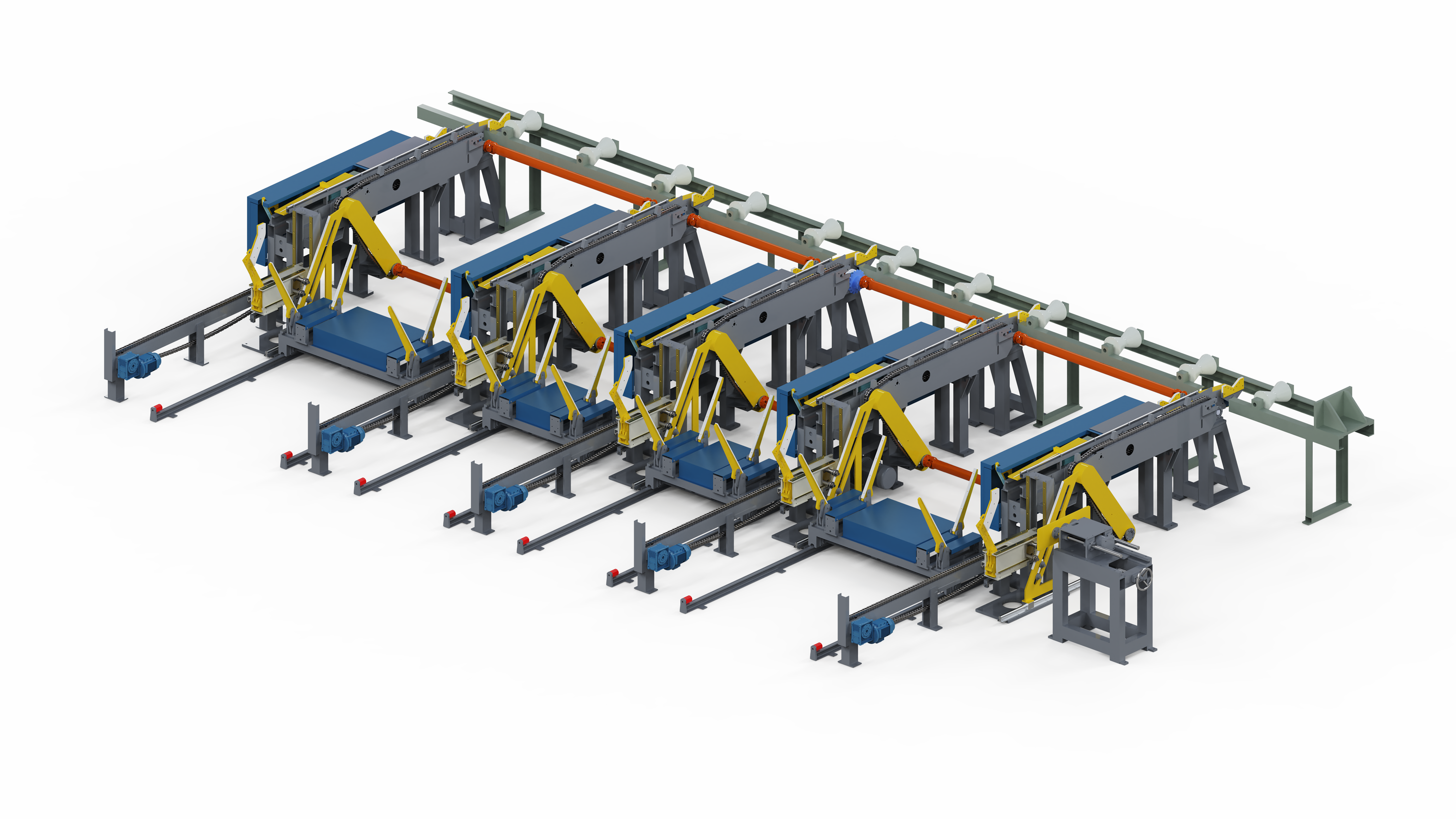
Steel pipe palletizer: the core equipment for automated steel pipe processing
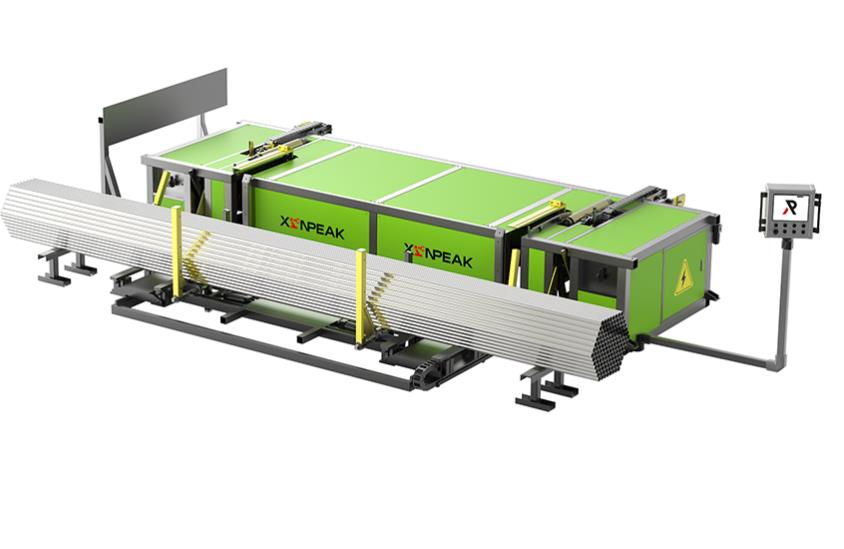
Automated steel pipe palletizers replace manual operations with automated technology, demonstrating significant advantages in efficiency, cost, quality, safety, and flexibility. They are a crucial upgrade option for steel pipe production, warehousing, and logistics.
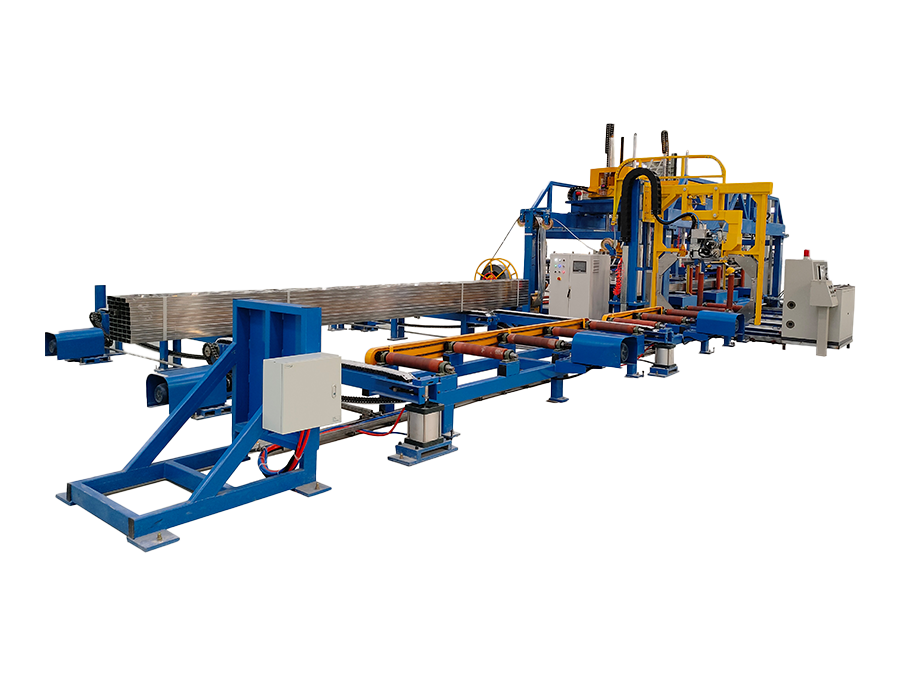
The automatic steel pipe bundling and palletizing machine is an automated device that combines the functions of bundling and palletizing steel pipes. The following provides a detailed introduction to the machine from five aspects
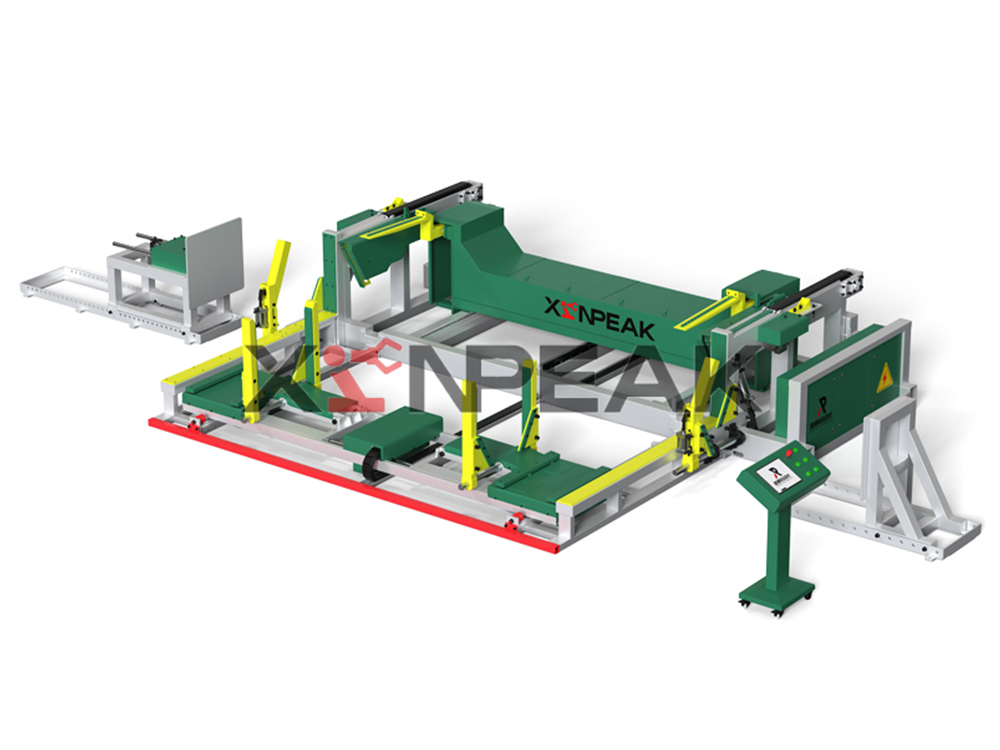
Common faults that may occur during the operation of steel pipe palletizers and their troubleshooting methods are as follows:
Contact Us
You can contact us through the following four methods. We will reply to your inquiry within 2-8 hours after receiving it!
Call Us
Send Email
Leave a Message
Add WeChat or WhatsApp