












Online



What is a pipe automatic palletizer
2026-01-14
The automatic pipe stacking machine is a specialized equipment designed for the automated storage needs of pipes (such as steel pipes, round pipes, square pipes, etc.). Through the coordination of mechanical structure, control system, and sensing technology, it achieves automatic grasping, handling, stacking, and packaging of pipes, significantly improving production efficiency and reducing labor costs. The following analysis is conducted from four dimensions: technical principle, core functions, application scenarios, and selection recommendations:
1. Technical principle: Mechanical-control-sensing collaborative operation
mechanical structure
Grabbing device: Electro-permanent magnetic suction cups, vacuum suction cups, or mechanical grippers are employed to accommodate different surface characteristics of pipes (such as smooth, rough, galvanized, etc.), thereby avoiding damage to the pipes during the grabbing process.
Lifting and rotating mechanism: Driven by a servo motor, it achieves precise adjustment of the grasping height (such as a maximum palletizing height of 2000mm) and directional rotation (such as a 90° turn to accommodate different stacking requirements).
Palletizing roller system: The conveyor roller collaborates with the palletizing roller to support various stacking forms, such as square packs and hexagonal packs, by adjusting the roller angle (adjustable range: 0°-60°), thereby enhancing space utilization.
control system
Core controller: Utilizing PLC or industrial computer, it receives signals from the production line (such as the arrival of pipes, quantity, size, etc.) and generates motion commands through preset programs (such as stacking layers and arrangement methods).
Motion control algorithm: Based on the parameters of pipe diameter and length, dynamically calculate the grasping point and stacking path to ensure the stability of palletizing (e.g., maximum load of 2500kg including pallet).
Parameter switching function: Supports one-click switching of palletizing parameters for different specifications of tubing (such as diameter range from 40-600mm), adapting to the production needs of multiple varieties.
sensing system
Position sensor: It detects the position of the pipe on the conveyor line and the real-time coordinates of the grasping device, achieving an accuracy of ±0.1mm.
Visual sensor: Identify the shape and curvature of the pipe end surface through machine vision, and automatically correct the grasping offset (e.g., identification speed ≤ 0.5 seconds per pipe).
Weight sensor: monitors the weight of the pipe material (e.g., with a measuring range of 0-100kg), dynamically adjusts the grasping force, and prevents overload or slipping.
II. Core functions: efficiency, precision, and flexibility
Automated conveying and positioning
The conveyor line adopts a roller or chain design, supports continuous feeding (such as a speed of 5-7 times per second), and adapts to different lengths of tubing (e.g., roller lengths can be customized from 400-1400mm).
The machine vision system identifies the position of the pipe in real-time (with a positioning accuracy of ±0.5mm), providing precise data for grasping.
Intelligent grasping and stacking
The robotic arm can adaptively adjust the grasping width according to the size of the pipe material (e.g., the opening and closing range of the gripper is 0-300mm), achieving a grasping success rate of ≥99.9%.
Supports multiple stacking modes (such as interlayer staggering and trapezoidal stacking), enhancing stacking stability (e.g., anti-overturning coefficient ≥ 1.5).
Quality inspection and adjustment
After stacking is completed, the system automatically detects the stack height, number of layers, and alignment (with a detection accuracy of ±1mm). If any issues are detected, it can automatically adjust or perform stacking again.
The manual inspection interface supports re-inspection to ensure quality control (e.g., the rate of missed defects is ≤0.1%).
III. Application Scenario: Covering the needs of multiple industries
Steel and construction industry
Requirements: Rapid turnover and efficient palletizing are required for large-scale production (e.g., daily processing capacity ≥ 1000 tons).
Advantages: The gantry structure boasts a large load capacity (e.g., a maximum grasping weight of 100kg), making it suitable for stacking heavy steel pipes; the stacking layers are adjustable (e.g., 1-20 layers), accommodating varying storage heights.
Petrochemical industry
Requirements: Ensure the quality and safety of pipe materials, and reduce the risk of manual operations (such as achieving a protection level of IP65 against corrosive environments).
Advantages: High-precision stacking to avoid transportation losses (e.g., stacking gap ≤2mm); explosion-proof design suitable for flammable and explosive environments.
Logistics and warehousing industry
Requirements: Automated handling, sorting, and unstacking to enhance space utilization (e.g., increase warehouse density by 30%).
Advantages: Articulated robots exhibit high flexibility (e.g., with a working radius of 2500mm) and can be integrated with AGVs to achieve a "goods-to-person" mode.
IV. Selection Suggestions: Matching Production Requirements
Specification adaptability
Select the type of grasping device based on the diameter, length, and weight of the pipe material (e.g., electro-permanent magnetic suction cups are suitable for smooth surfaces, while mechanical clamping jaws are suitable for rough surfaces).
Confirm whether the palletizing height, number of layers, and arrangement method meet the storage requirements (e.g., maximum palletizing height of 2000mm, with the number of layers adjustable between 1 and 20).
Efficiency and stability
Equipment with a working speed of ≥5 times/second is preferred to ensure it matches the production line's takt time (e.g., hourly production capacity ≥18,000 units).
Pay attention to equipment failure rate (e.g. MTBF ≥ 5000 hours) and after-sales service response time (e.g. arrive at the scene for maintenance within 2 hours).
Scalability and intelligence
Choose equipment that supports modular design (such as units that can be added for labeling and laminating) to accommodate future functional upgrade needs.
Give priority to equipping devices with IoT interfaces to achieve remote monitoring and data analysis (such as real-time uploading of production data to the MES system).
Related News
What is a steel pipe palletizer
Steel pipe palletizer: the core equipment for automated steel pipe processing
What are the advantages of automatic steel pipe palletizers?
What are the common faults and troubleshooting methods for steel pipe palletizers?
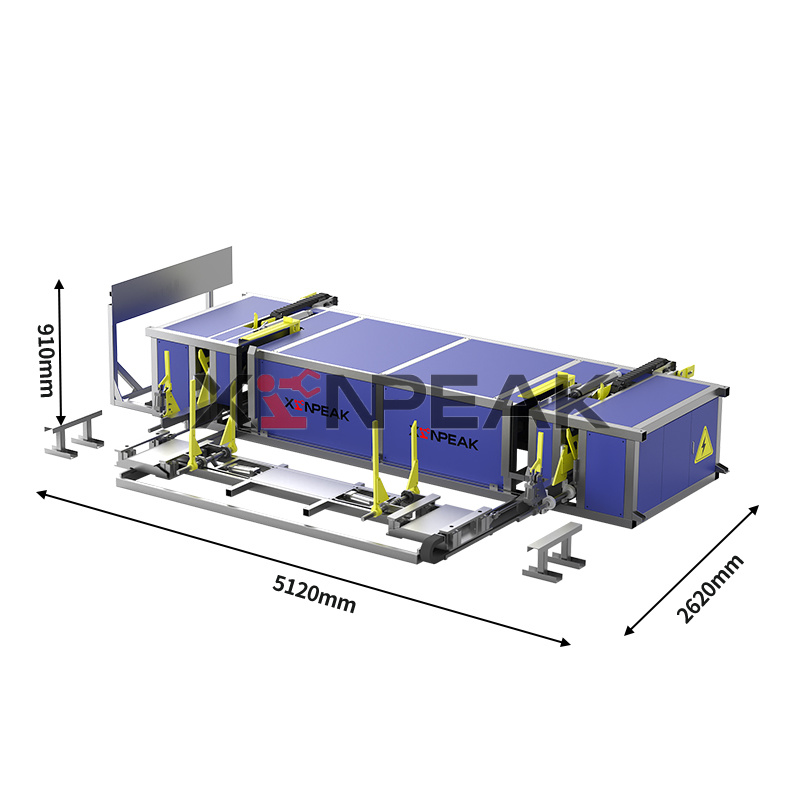
The steel pipe palletizer is a specialized mechanical device used for automated organization, stacking, and handling of steel pipes, falling under the category of logistics equipment in the field of industrial automation.
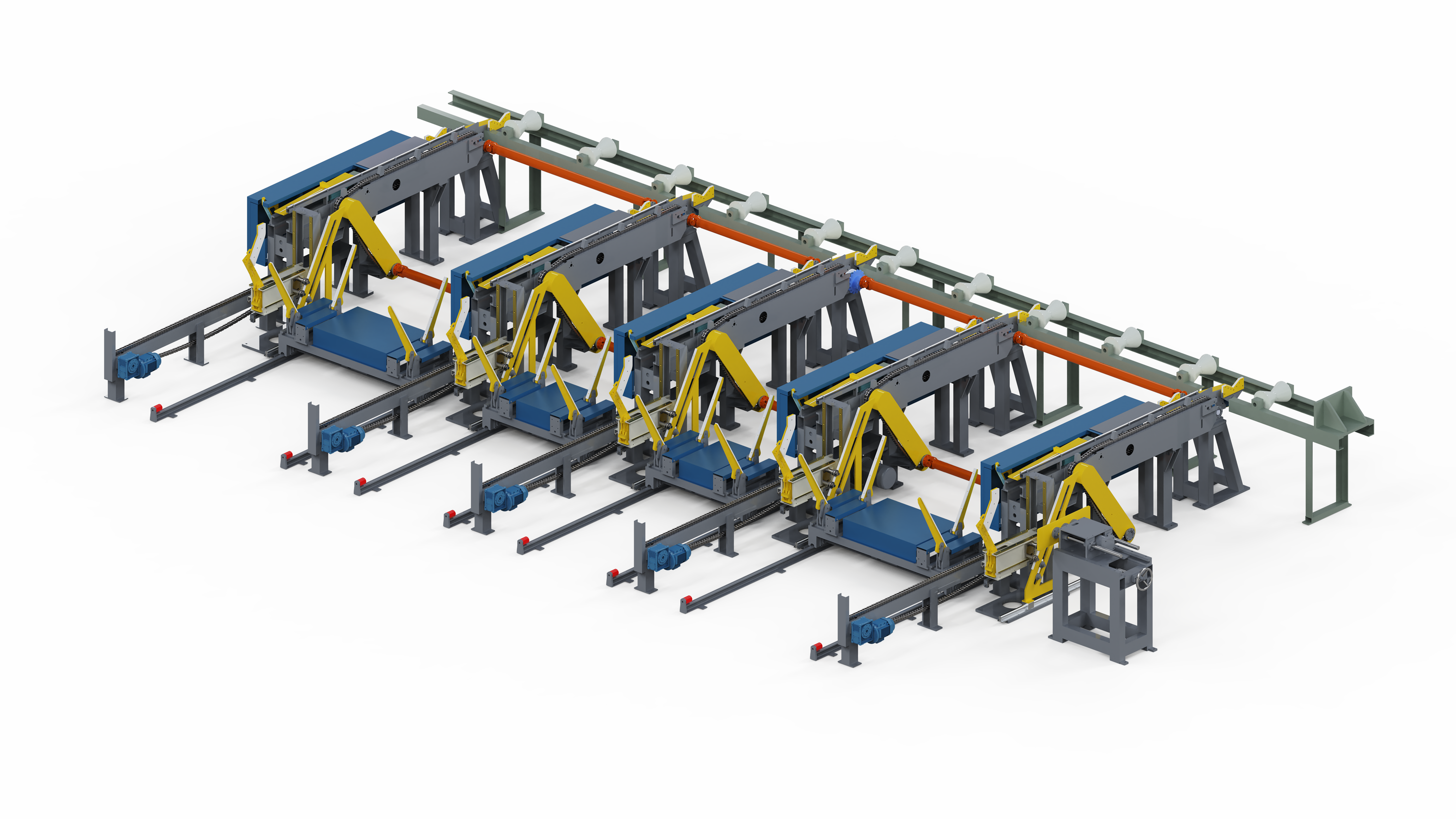
Steel pipe palletizer: the core equipment for automated steel pipe processing
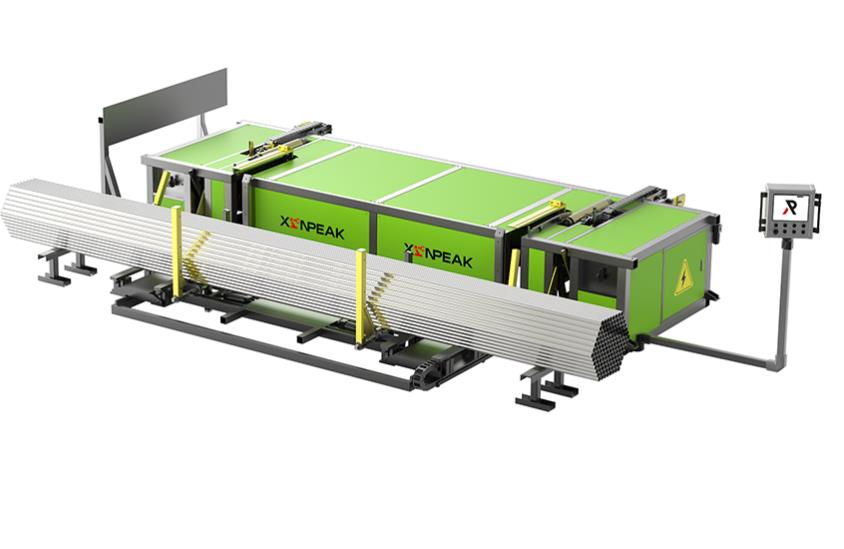
Automated steel pipe palletizers replace manual operations with automated technology, demonstrating significant advantages in efficiency, cost, quality, safety, and flexibility. They are a crucial upgrade option for steel pipe production, warehousing, and logistics.
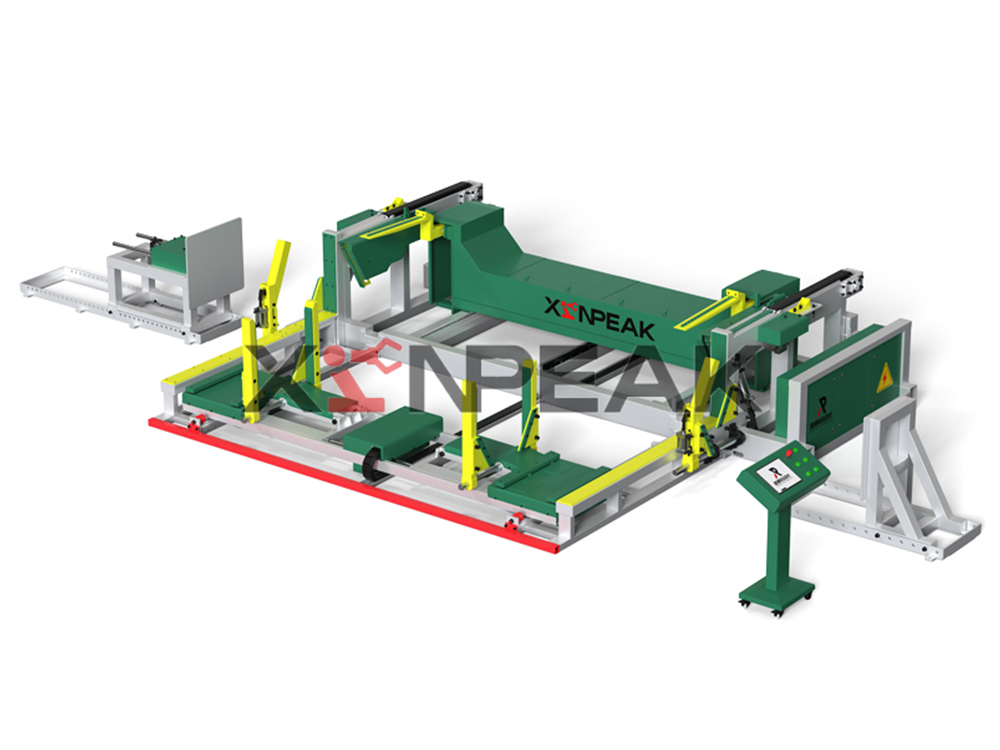
Common faults that may occur during the operation of steel pipe palletizers and their troubleshooting methods are as follows:
Contact Us
You can contact us through the following four methods. We will reply to your inquiry within 2-8 hours after receiving it!
Call Us
Send Email
Leave a Message
Add WeChat or WhatsApp