












Online



What is an automatic steel palletizing machine
2026-01-15
The automatic steel palletizer is an automated equipment designed specifically for steel production, processing, or storage. Its core function is to achieve automatic grabbing, handling, stacking, and sorting of steel (such as section steel, steel plates, steel pipes, etc.) through the collaboration of mechanical arms, conveying systems, sensors, and intelligent control technology. It replaces traditional manual palletizing with high-intensity and inefficient operations, significantly improving production efficiency, reducing labor costs, and enhancing job safety.
Core functions and features
automated operation
By using preset programs or intelligent algorithms, steel can be automatically grasped, positioned, stacked, and released, reducing manual intervention.
It can operate continuously for 24 hours, adapting to high-intensity production needs.
High precision and stability
Equipped with high-precision sensors (such as lasers, vision systems) and servo motors to ensure that steel is stacked neatly and evenly spaced, avoiding tilting or collapsing.
Flexible grasping that adapts to different specifications of steel (such as length, weight, shape), achieving quick switching by changing fixtures or adjusting parameters.
safety protection
Integrated safety barriers, emergency stop buttons, collision detection devices, etc., to avoid collisions between operators and equipment.
Complies with industrial safety standards (such as CE certification) and reduces the risk of work-related injuries.
Intelligent Control and Data Management
Supports PLC (Programmable Logic Controller) or industrial computer control, and can be linked with other equipment on the production line, such as cutting machines and welding machines.
It can record palletizing data (such as quantity, batch, location) for easy production traceability and inventory management.
main types
Mechanical arm palletizer
Using a multi joint robotic arm, steel is grasped through vacuum suction cups, electromagnets, or mechanical grippers.
Strong flexibility, suitable for complex stacking modes such as cross stacking and layered stacking.
Longmen palletizing machine
By moving with crossbeams and sliding rails, it covers a large working area and is suitable for palletizing heavy steel materials such as steel plates and coils.
Strong load-bearing capacity, but slightly less flexible than robotic arm type.
Truss type palletizer
The structure is similar to a gantry style, but adopts a truss structure with strong rigidity, suitable for high-speed and high-precision operations.
Collaborative Robot (Cobot) Stacking
Lightweight design, capable of collaborative operation with manual labor, suitable for flexible production of small batches and multiple varieties of steel.
Application scenarios
Steel production enterprises
After steel rolling, heat treatment and other processes, the steel is automatically stacked into stacks for easy transportation or storage.
Steel processing center
Organize the steel after cutting and welding to improve the efficiency of outbound.
logistics warehousing
Automatically complete the inbound, outbound, and inventory of steel in the warehouse, reducing manual handling costs.
Advantages and Value
Efficiency improvement: The stacking speed can reach 3-5 times that of manual labor, and there is no fatigue limit.
Cost reduction: Reduce labor demand and lower long-term operating costs.
Quality improvement: Improve stacking neatness and reduce damage during transportation.
Space optimization: Maximize the utilization of storage space through intelligent planning and stacking methods.
development trend
Integration of AI and machine vision: Optimizing grasping strategies through deep learning algorithms to adapt to more non-standard steel materials.
Modular design: supports quick replacement of fixtures or adjustment of parameters to meet the production needs of multiple varieties.
Integration with Industrial Internet (IIoT): realize remote monitoring, fault prediction and capacity optimization.
Example: After a steel plant introduced a robotic arm palletizer, the stacking capacity per shift increased from 500 tons to 1500 tons, reducing labor costs by 60% and significantly improving stacking stability.
Related News
What is a pipe automatic palletizer
What is a steel pipe palletizer
What are the advantages of automatic steel pipe palletizers?
What are the common faults and troubleshooting methods for steel pipe palletizers?
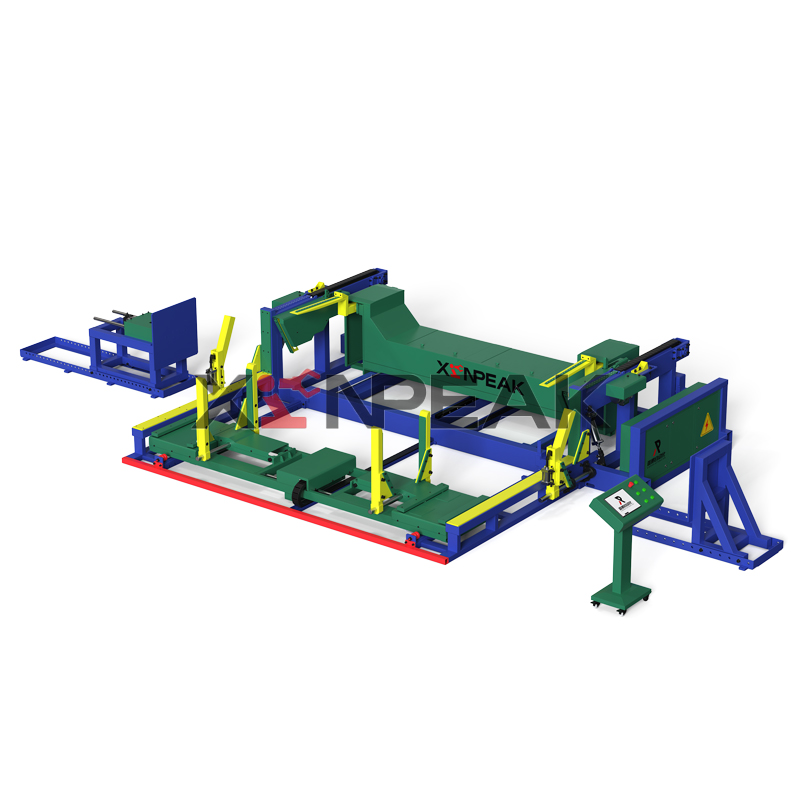
The automatic pipe stacking machine is a specialized equipment designed for the automated storage needs of pipes (such as steel pipes, round pipes, square pipes, etc.). Through the coordination of mechanical structure
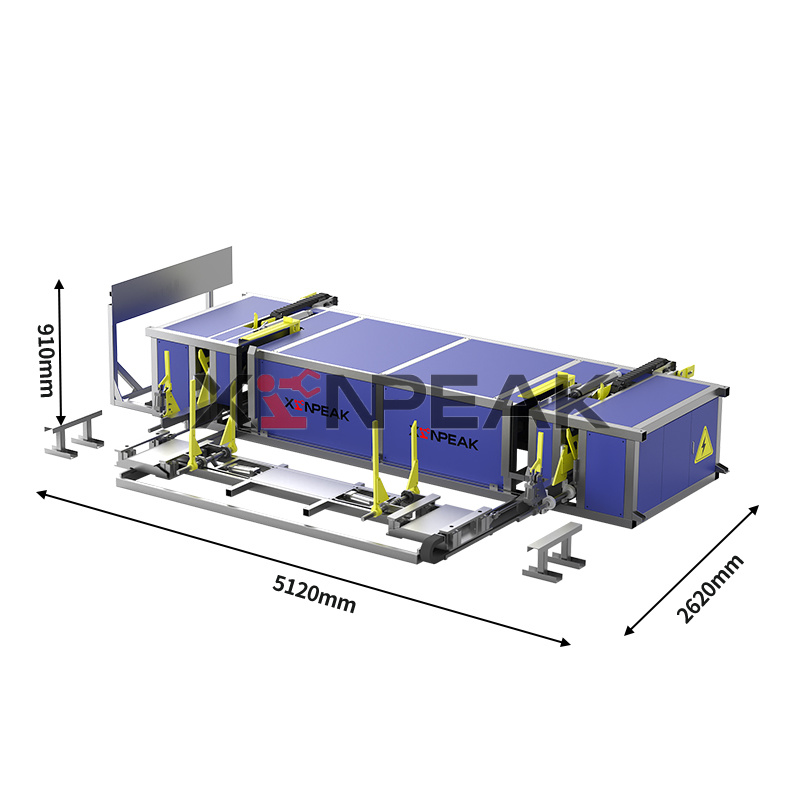
The steel pipe palletizer is a specialized mechanical device used for automated organization, stacking, and handling of steel pipes, falling under the category of logistics equipment in the field of industrial automation.
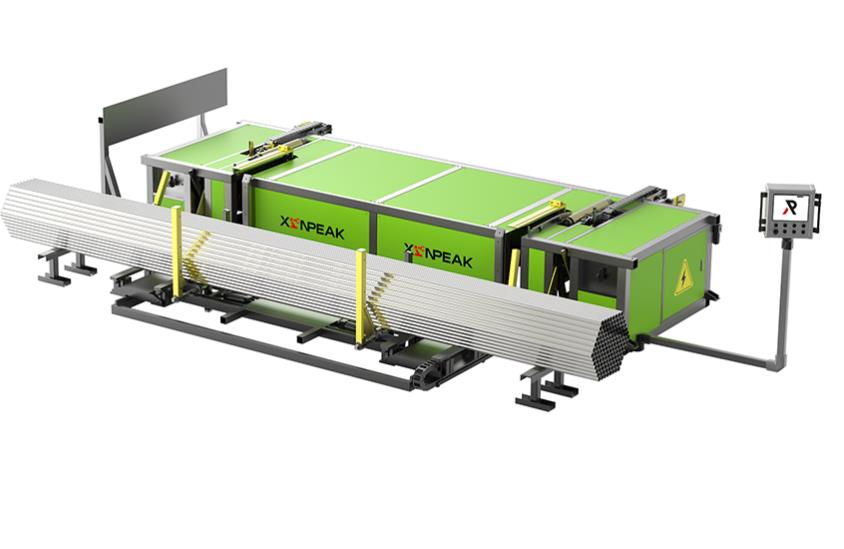
Automated steel pipe palletizers replace manual operations with automated technology, demonstrating significant advantages in efficiency, cost, quality, safety, and flexibility. They are a crucial upgrade option for steel pipe production, warehousing, and logistics.
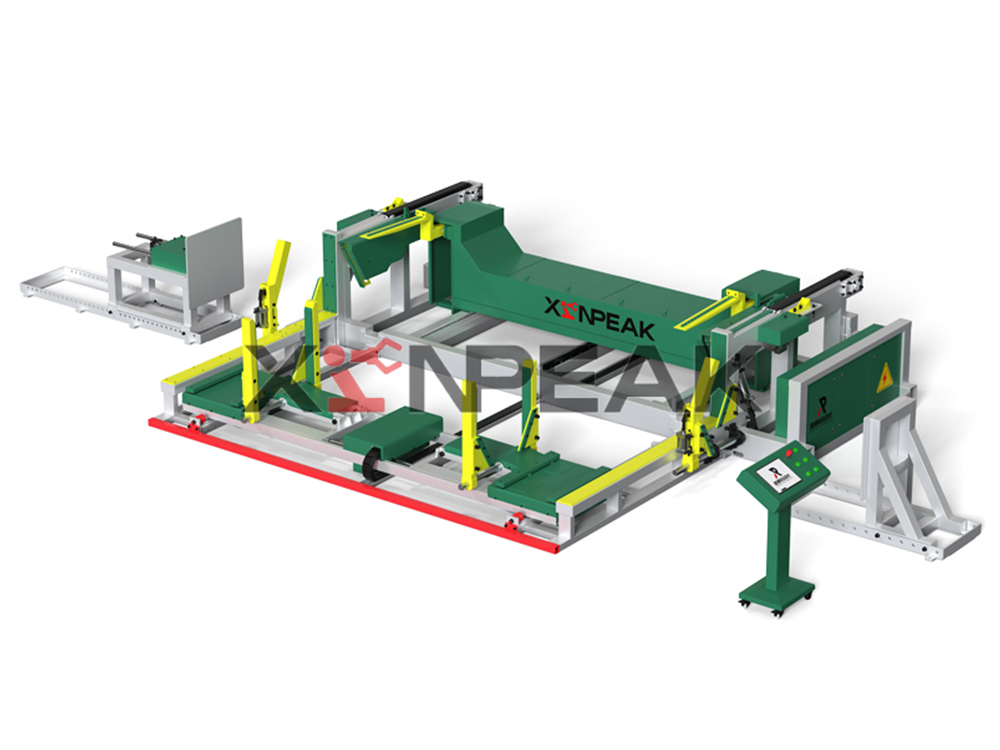
Common faults that may occur during the operation of steel pipe palletizers and their troubleshooting methods are as follows:
Contact Us
You can contact us through the following four methods. We will reply to your inquiry within 2-8 hours after receiving it!
Call Us
Send Email
Leave a Message
Add WeChat or WhatsApp